 Four Times reporters, 53 paragraphs, and no mention of AIPAC’s new stealth strategy: hiding Israel and running ads on unrelated issues in primaries.
Four Times reporters, 53 paragraphs, and no mention of AIPAC’s new stealth strategy: hiding Israel and running ads on unrelated issues in primaries.
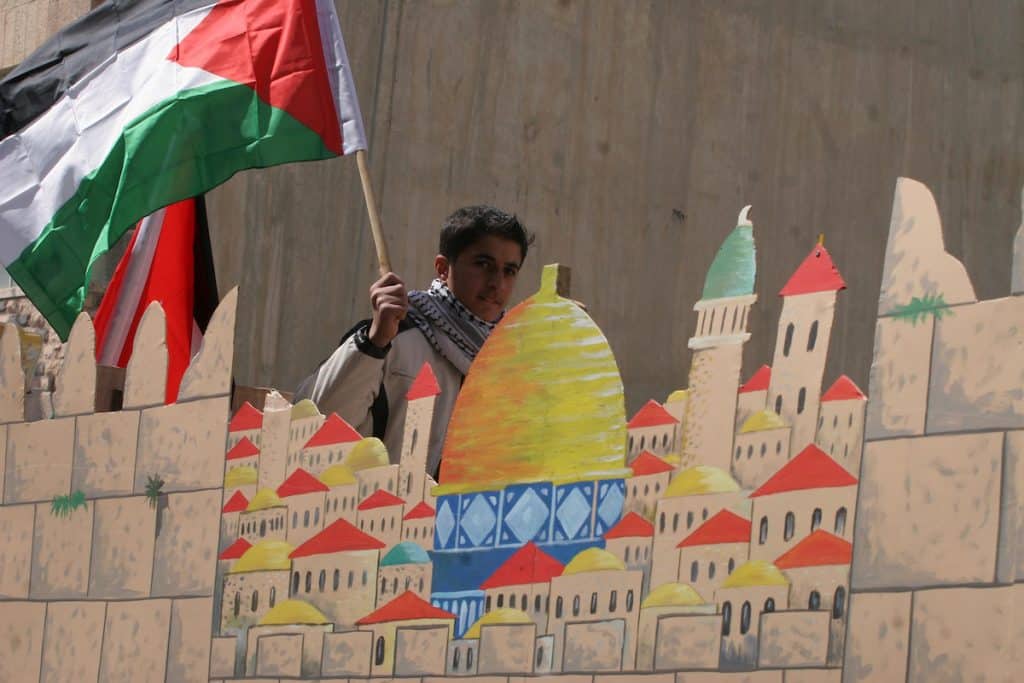 Can a temporary consensus government advance Palestinian self-determination in the homeland and the diaspora?
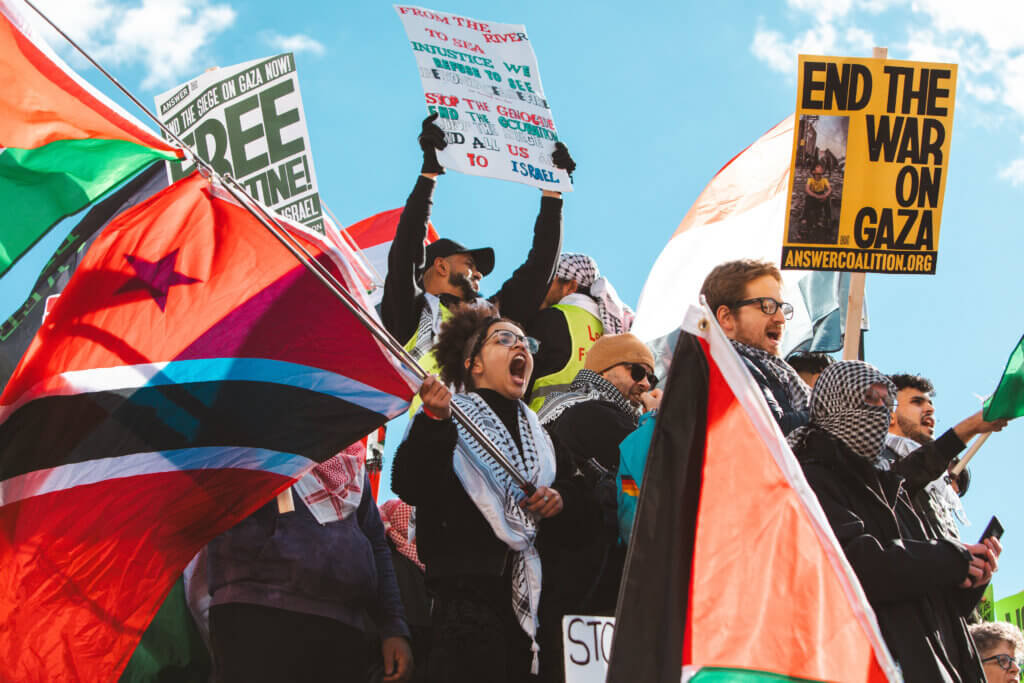 After three years of genocide, two decades of a criminal siege, and a century of occupation, we must confront Zionism from all directions until Palestine is free.
 Ahead of the one-year anniversary of the so-called ceasefire in Gaza, we look at a brief timeline of a long-established Israeli practice of sabotaging negotiations and violating ceasefire agreements to advance their goals.
 The struggle for Palestinian liberation is a threat to the global world order. That's why no one is "stopping" Israel.
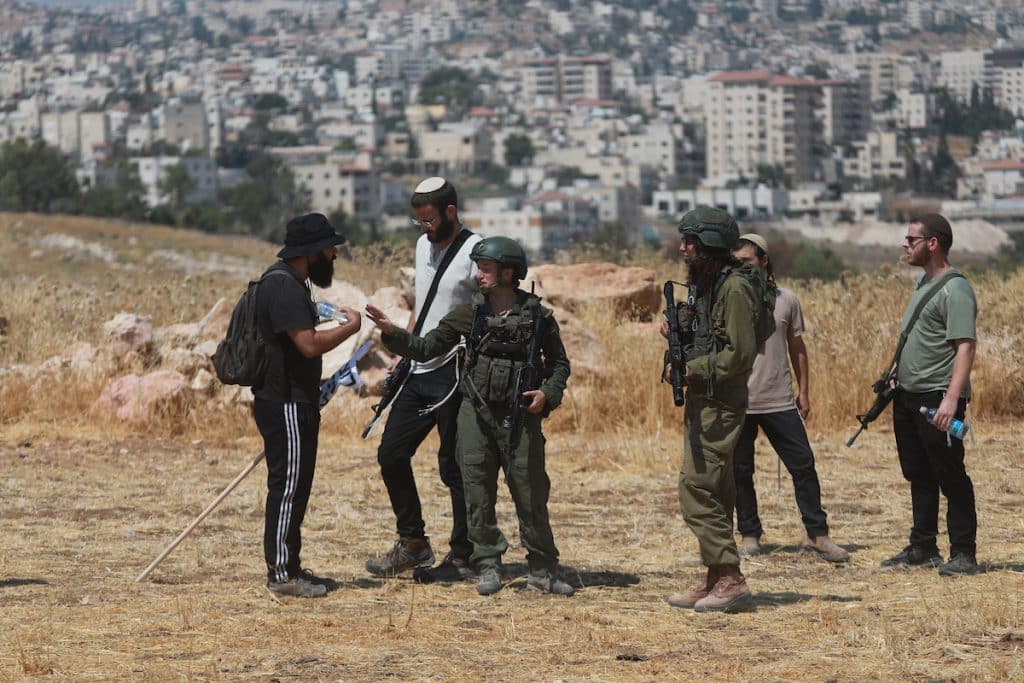 Settler attacks in the West Bank are ongoing with the enthusiastic approval of the Israeli army, as Palestinians are barred from accessing their own land, and their olive groves, for the fourth year in a row.
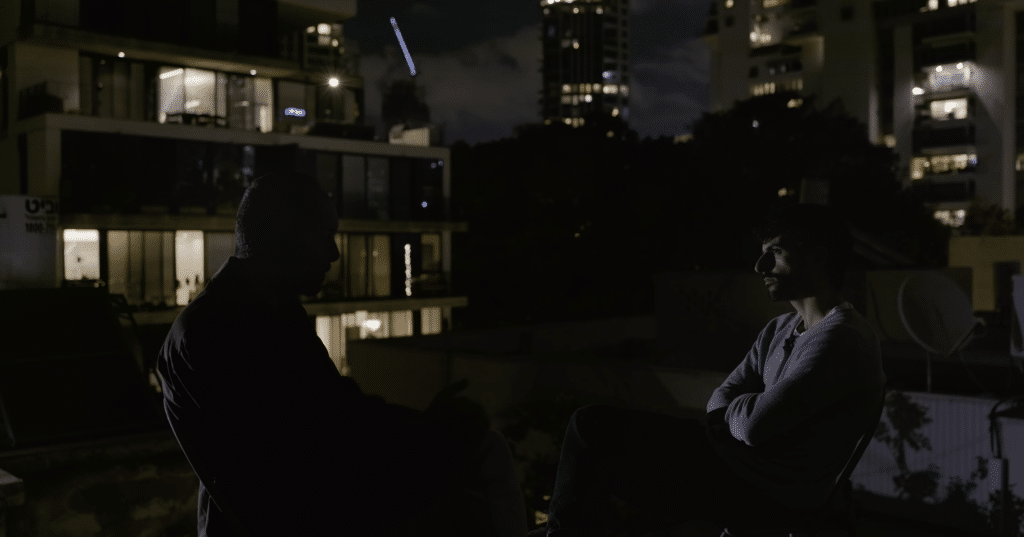 The documentary film by Yuval Abraham and Rachel Szor follows the predictable script of the regretful soldier, but the subjects in NAZA express something darker: mourning the loss of power.
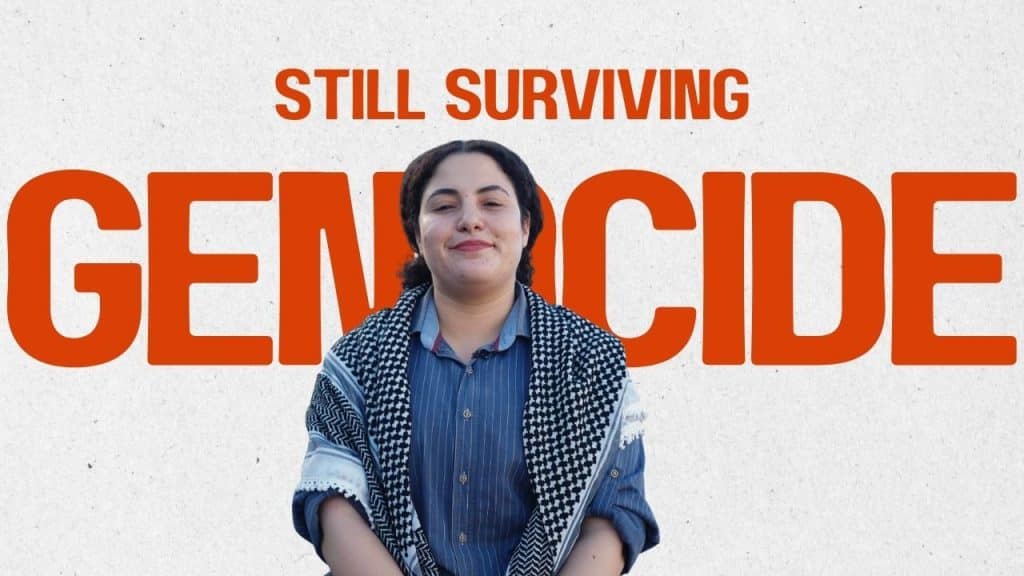 Palestinian journalist Bisan Owda reflects on three years of genocide in Gaza, a life lost forever, and her unending work to tell the truth.
 In scattered tents across Gaza, families once bound by shared meals and evenings by the sea now focus solely on survival. The rituals that once bonded fathers to their children, or women to their neighbors, have been shattered by Israel's genocide.
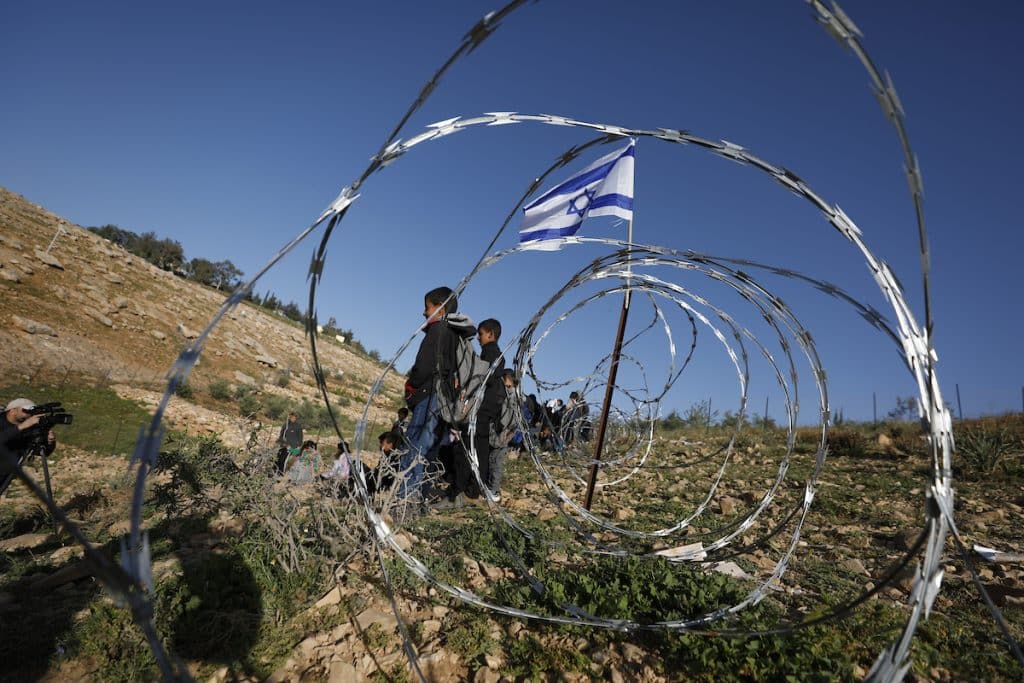 From my uncle's exasperated sighs over olive groves we can no longer reach, to the iron gates the Israeli army has erected at the edge of my village, there is one word we use to cope: 'aadi', or, "normal" in Arabic. But this reality is anything but.